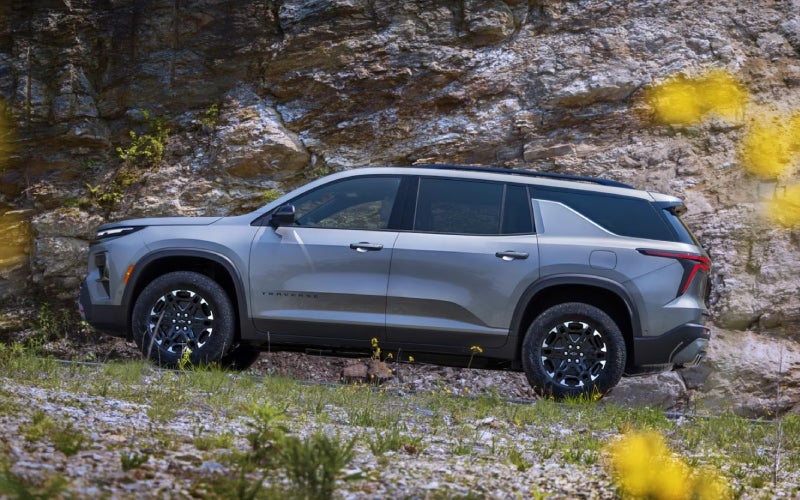

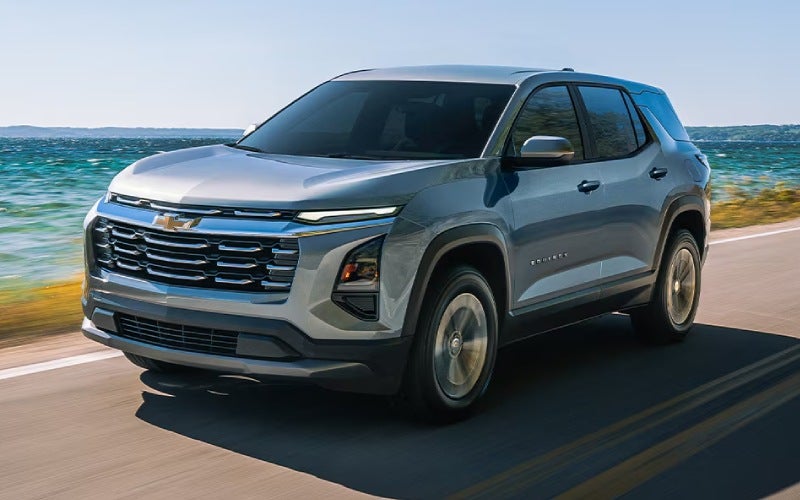
Capper Auto Group - Chevy Equinox LT vs RS vs ACTIV near Washington, IA: Which Trim Fits Your Drive? For many drivers around Washington, IA, the right SUV has to do a little bit of everything. It needs to feel easy in town, comfortable on Highway 92, practical for errands around the square, and capable enough for gravel roads, school activities, weekend projects, and trips toward Iowa City or Kalona. That is exactly why the Chevrolet Equinox continues to be such a strong fit for local shoppers. It is compact enough to maneuver easily, yet roomy enough to handle passengers, groceries, sports gear, and everyday cargo without feeling cramped. At Capper Auto Group, we help shoppers compare Chevrolet SUVs in a way that matches real driving needs, not just spec sheets. The Equinox stands out because it gives buyers several distinct personalities in one practical SUV lineup. The LT focuses on everyday comfort and smart value, the RS adds a sportier appearance and more expressive design, and the ACTIV brings a more rugged feel for drivers who want extra style and confidence for varied road conditions. If you are searching for a new Chevy Equinox near Washington, IA, understanding those trims can make the decision much easier. The key question is not simply, "Which Equinox trim is best?" A better question is, "Which Equinox trim fits how I actually drive?" A commuter heading between Washington and surrounding communities may prioritize comfort, screen technology, and fuel-conscious performance. A driver who wants a bolder SUV for nights out, family events, and daily errands may lean toward the RS. Someone who frequently takes rural roads, hauls outdoor gear, or prefers a more adventurous look may feel right at home in the ACTIV. Why the Chevy Equinox Makes Sense near Washington, IA The Chevrolet Equinox is built around everyday versatility. Its 1.5L turbo engine delivers efficient, responsive performance, while the standard Drive Mode Selector helps adapt the SUV to changing road conditions. Available all-wheel drive adds another layer of confidence for drivers who spend time outside city streets, whether that means navigating rural routes, visiting family on county roads, or heading out for a weekend away. Inside, the Equinox emphasizes the features modern drivers use every day. The lineup offers an 11.3-inch diagonal infotainment touchscreen, an 11-inch Driver Information Center, available wireless phone charging, and Google built-in compatibility. For Washington-area shoppers who want an SUV that feels current without becoming complicated, the Equinox cabin is one of its biggest strengths. The screens are large, clear, and placed where information is easy to see. Cargo flexibility is another major reason to consider the Equinox. With foldable rear seating, hidden storage under the rear cargo floor, and a practical cargo area, it can shift from weekday errands to weekend hauling with ease. Whether you are carrying supplies from a local store, sports equipment for a school activity, or luggage for a road trip, the Equinox gives you usable space without requiring a larger SUV. Chevy Equinox LT: The Smart Everyday Choice The Equinox LT is the trim many shoppers start with because it covers the essentials so well. It includes the efficient 1.5L turbo engine, heated front seats, a heated steering wheel, the large infotainment touchscreen, and the digital Driver Information Center. For a driver who wants a comfortable daily SUV without overcomplicating the shopping process, LT is a strong place to begin. Around Washington, IA, the LT makes sense for commuting, family errands, appointments, and regular highway driving. It has the technology shoppers expect, the comfort features that make daily driving easier, and the flexible interior that helps an SUV feel useful year-round. Available all-wheel drive can also make the LT more appealing for drivers who want added traction without moving into a more specialized trim. Best fit: Drivers who want a well-equipped SUV for commuting, errands, family use, and road trips. Key strengths: Heated front seats and steering wheel, large touchscreen technology, practical cargo space, and available all-wheel drive. Why Washington drivers may like it: It balances comfort, value, and versatility for a wide range of local driving needs. Chevy Equinox RS: Sporty Style with Everyday Practicality The Equinox RS is for drivers who want their SUV to look a little more athletic. It brings black exterior details, RS-specific styling, a flat-bottom steering wheel, and available two-tone roof options. It still delivers the same everyday usability that makes the Equinox appealing, but with a more distinctive presence on the road. If you spend time driving around Washington, heading to nearby communities, or simply prefer an SUV with a sharper personality, the RS is worth a close look. It offers the same practical foundation as the rest of the Equinox lineup, but the styling helps it stand apart in parking lots, driveways, and daily traffic. The RS is a good choice for shoppers who want utility without giving up visual attitude. Best fit: Drivers who want a practical compact SUV with a more expressive, sporty look. Key strengths: Black mirrors, moldings, emblems, badging, sporty wheel designs, and a driver-focused interior style. Why Washington drivers may like it: It keeps the Equinox easy to live with while adding a bolder design that feels more personal. Chevy Equinox ACTIV: Rugged Character for More Varied Roads The Equinox ACTIV is designed for shoppers who like a more adventurous appearance and a confident, outdoors-inspired feel. ACTIV models add all-terrain tires, a uniquely tuned suspension, distinctive seating surfaces, and available two-tone roof styling. It is not about turning the Equinox into a large off-road SUV. It is about giving compact SUV shoppers a tougher look and added confidence for a variety of surfaces. That can be especially appealing around southeast Iowa, where drivers may split time between paved streets, rural highways, gravel lanes, parks, fields, and family properties. The ACTIV looks at home beyond the city grid while still staying comfortable and manageable for daily driving. If your life includes outdoor hobbies, home projects, pets, gear, or frequent rural travel, ACTIV may be the Equinox trim that feels most natural. Best fit: Drivers who want rugged styling, extra visual toughness, and confidence for mixed driving environments. Key strengths: All-terrain tires, uniquely tuned suspension, ACTIV interior details, and available two-tone exterior styling. Why Washington drivers may like it: It is practical for daily use while looking ready for rural roads, outdoor gear, and weekend plans. How to Choose the Right Equinox Trim Choosing between LT, RS, and ACTIV comes down to priorities. If you want a comfortable, well-rounded SUV that covers the needs of most drivers, LT is the practical pick. If you want a more dynamic look and sportier details, RS adds personality without sacrificing function. If you prefer a rugged appearance and plan to use your SUV for more varied roads and activities, ACTIV brings the most adventure-oriented character. It also helps to think about how often you carry passengers and cargo. Equinox offers seating for up to five and flexible cargo space, including a 60/40 split-folding rear seat and hidden storage. That means each trim can handle daily errands, family routines, and weekend packing. The difference is less about capability basics and more about which style and feature mix feels right for your life. Choose LT if: Comfort, technology, and everyday practicality are your biggest priorities. Choose RS if: You want the Equinox to feel sportier and more visually distinctive. Choose ACTIV if: You like rugged styling and want a trim that feels at home on rural roads and weekend outings. Ask about available AWD if: You want extra traction confidence for changing Iowa road conditions and mixed surfaces. Safety and Technology Across the Equinox Lineup One of the best parts of shopping for an Equinox is that confidence-inspiring technology is not limited to just one type of driver. The Equinox offers over 15 standard safety and driver assistance features, including Chevy Safety Assist. Features such as Automatic Emergency Braking, Front Pedestrian Braking, Lane Keep Assist with Lane Departure Warning, Forward Collision Alert, Following Distance Indicator, and IntelliBeam help support awareness on busy streets and open highways alike. Available features like HD Surround Vision, Rear Camera Mirror, Rear Cross Traffic Braking, and Side Bicyclist Alert can add even more confidence depending on trim and configuration. These technologies are helpful in real local situations, from backing out near downtown Washington to navigating crowded school lots, grocery store parking areas, and traffic on busier routes. As always, safety and driver assistance features are not substitutes for attentive driving, but they can be valuable tools on daily drives. Why Shop with Capper Auto Group? Capper Auto Group is rooted in the area, with locations serving Marengo, Washington, Williamsburg, and surrounding communities. Our approach is built around a friendly, no-hassle experience, flexible financing support, and service after the sale. We know local shoppers often compare vehicles carefully, and our goal is to help you understand the differences clearly before you decide. When you visit us, we can help you compare Equinox trims, explore available Chevrolet SUV features, value your trade, review financing options, and schedule a test drive. We also support owners with factory-trained technicians, OEM parts, professional maintenance, and a service-first mindset. For Washington-area drivers, that means the relationship does not end when you choose your SUV. Frequently Asked Questions: Is the Chevy Equinox a good SUV for Washington, IA drivers? Yes. The Equinox is a strong fit for Washington-area drivers because it offers a comfortable size, flexible cargo room, modern technology, available all-wheel drive, and efficient turbocharged performance for daily travel, errands, and regional trips. Which Equinox trim is best for most drivers? The LT is often the best starting point for many shoppers because it includes popular comfort and technology features while keeping the focus on everyday practicality. RS and ACTIV are great choices if you want more distinctive styling or a more rugged character. Does the Chevy Equinox offer all-wheel drive? Yes, all-wheel drive is available on the Equinox. It can be a smart feature to consider if you regularly drive on rural roads, gravel, or routes where added traction confidence is important. How much cargo space does the Equinox offer? The Equinox offers a flexible cargo area with folding rear seats and useful storage solutions, including hidden storage under the rear cargo floor. It is designed to handle everyday items, road trip bags, sports gear, and home project supplies. Can I test drive a Chevy Equinox at Capper Auto Group? Yes. Contact Capper Auto Group to schedule a test drive and compare Equinox trims in person. We can help you decide whether LT, RS, or ACTIV best fits your driving needs near Washington, IA. Request more information
What to Know About the 2027 RAM 2500
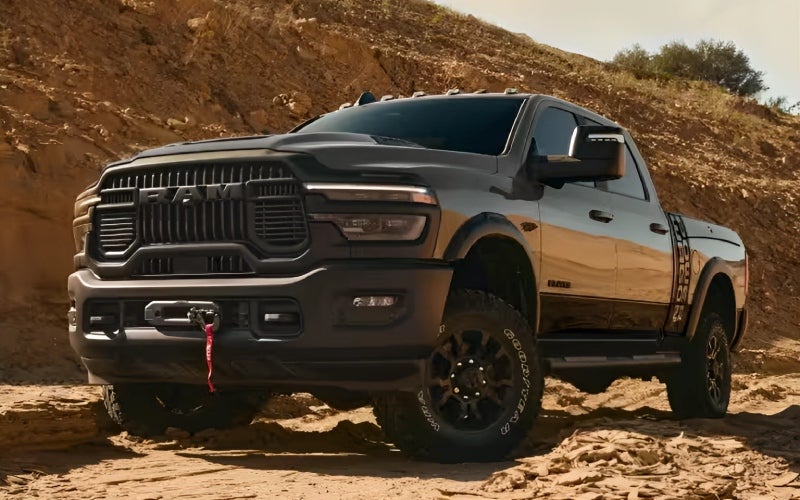
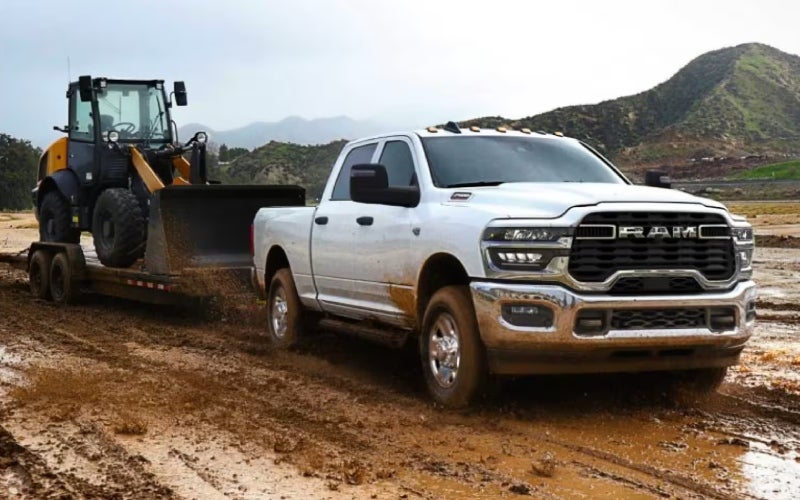
Capper Auto Group - What to Know About the 2027 RAM 2500 The 2027 RAM 2500 is built for drivers who expect more from a heavy-duty truck than raw strength alone. It brings together serious towing capability, confident powertrain options, refined interior design, smart trailering technology, and business-ready features in one highly capable package. Whether you use your truck for jobsite productivity, equipment hauling, livestock trailers, recreational towing, or everyday driving, the RAM 2500 is engineered to feel strong, stable, and thoughtfully equipped. At Capper Auto Group, we understand that a heavy-duty pickup is often a long-term tool as much as it is a daily vehicle, and our team is proud to help shoppers compare configurations while serving Washington, Williamsburg, and North English. The 2027 RAM 2500 stands out because it addresses the questions truck buyers ask most: How much can it tow? Which engine makes sense? Is the cabin comfortable enough for long drives? Does the technology actually make towing easier? In each of those areas, this truck makes a compelling case. Heavy-Duty Power That Works Hard The 2027 RAM 2500 offers the type of power expected from a modern heavy-duty pickup. One of its key highlights is the available High-Output 6.7L Cummins Turbo Diesel I6 engine, which delivers up to 430 maximum horsepower and 1,075 pound-feet of available diesel torque. That torque figure matters because it supports confident low-end pulling power, especially when moving heavy trailers or tackling demanding work routes. Paired with the TorqueFlite HD eight-speed automatic transmission, the available Cummins engine is designed to help deliver smooth power management under load. For drivers who prefer gas power, the 6.4L HEMI V8 remains an important part of the RAM 2500 lineup, offering strong capability and impressive gas payload potential. Properly equipped, the 2027 RAM 2500 can reach a maximum available diesel towing capacity of 20,000 pounds and a best-in-class gas payload rating of 4,580 pounds. Available diesel torque: Up to 1,075 pound-feet with the available High-Output 6.7L Cummins Turbo Diesel I6 Maximum available diesel towing: Up to 20,000 pounds when properly equipped Best-in-class gas payload: Up to 4,580 pounds when properly equipped Maximum GVWR: Up to 11,040 pounds depending on configuration Towing Features Designed for Real Confidence A truck with impressive towing numbers should also help the driver manage that capability, and this is where the 2027 RAM 2500 feels especially well thought out. Available Trailer Reverse Steering Control allows the driver to use a trailer steering knob while backing up, with the system helping control the truck’s steering wheel. For anyone who regularly backs trailers into tight spaces, that kind of support can make the process feel more controlled. The available Trailer Tire Pressure Monitoring system can display live pressure readings for up to four trailers through the available 12-inch Digital Cluster Display. The available fifth-wheel and gooseneck prep package adds factory-installed structural support and integrated mounting hardware for more convenient towing setup. The available rear auto-level air suspension is another standout, helping raise or lower the truck to improve hitch alignment and load leveling. RAM also pays attention to visibility. Available power convex trailer tow mirrors offer added flexibility, including available forward and reverse spotter functionality when paired with the available mirror-mounted camera system. The available Digital Rearview Mirror can provide a real-time video feed from the rear-facing camera, and when equipped with tow-focused camera options, it can help improve awareness around the truck and trailer. Gas or Diesel: Choosing the Right RAM 2500 One of the most common questions shoppers ask is whether gas or diesel is the right choice. The answer depends on how the truck will be used. The 6.4L HEMI V8 is a strong fit for drivers who prioritize payload, simplicity, and confident everyday performance. It is also a good match for those who tow regularly but may not need the maximum available diesel torque. The available High-Output Cummins diesel is ideal for drivers who frequently tow heavier loads, travel longer distances with trailers, or want maximum pulling strength from the RAM 2500 platform. Diesel torque arrives at low engine speeds, which helps the truck feel composed when moving substantial weight. The available Automatic Smart Exhaust Brake also helps slow heavy loads with added confidence, especially during descents or repeated braking situations. Choose gas if: You prioritize payload, everyday drivability, and strong all-around capability Choose diesel if: You frequently tow heavy trailers and want maximum available torque Consider towing needs: Trailer weight, cargo, passengers, and equipment can all affect towing ratings Think long term: The right powertrain should match your work habits, driving routes, and ownership plans A Cabin Built for Comfort and Practical Use Inside, the 2027 RAM 2500 shows that a heavy-duty truck does not have to feel strictly utilitarian. Depending on trim and configuration, the cabin can include upscale materials such as leather seating, real wood accents, and aluminum details. Available premium interiors like Limited, Limited Longhorn, and Laramie give shoppers multiple ways to balance durability, comfort, and style. Storage and seating flexibility are also major strengths. The RAM 2500 can be configured with a 40/20/40 split-folding front bench or available bucket seats. Rear seating options include multiple 60/40 split-folding configurations, while Mega Cab models offer class-exclusive reclining rear seats and forward fold-flat rear seats. Practical features such as in-floor RAM bins, rear cubby storage, and a fold-flat load floor help keep tools, personal gear, and travel essentials organized. For those who use a truck as a mobile workspace, available onboard power is a big advantage. RAM 2500 pickups offer best-in-class available onboard power of 2.4 kilowatts, and the available 115-volt outlet can help support devices and equipment. Available LED bed lighting, a dampened tailgate with available power release, available power side running boards, and an available Mopar bed step also make daily work around the truck more convenient. Technology That Feels Useful, Not Complicated The 2027 RAM 2500 offers advanced technology designed to make information easy to access. The available 12-inch Digital Cluster Display can show key data, navigation, trailer information, vehicle diagnostics, and available Off-Road Pages. For drivers who tow, having important readouts directly in the line of sight can reduce guesswork and improve confidence. The available Uconnect 5 NAV system adds a modern command center feel, with features such as personalized driver profiles, available tow-specific navigation, wireless Apple CarPlay support, and wireless Android Auto compatibility. The largest-in-class available 14.5-inch Uconnect infotainment touchscreen gives the cabin a clean, high-tech centerpiece. An available 10.25-inch front passenger interactive display and available dual wireless charging pads add even more convenience. Connected features such as Send & Go, Vehicle Finder, and Remote Vehicle Start can help owners manage daily driving with less friction. For work fleets, RAM Professional connected services can provide web-based tools intended to help with fleet efficiency, real-time driving data, and business-focused management. Safety and Driver Assistance Highlights Strength is important, but modern heavy-duty trucks also need technology that helps the driver stay aware. The 2027 RAM 2500 offers more than 100 standard and available safety and security features. Class-exclusive standard Adaptive Cruise Control can help maintain a selected following distance from traffic ahead and can adjust speed all the way down to 0 mph, even with a trailer attached. Available Forward Collision Warning with Active Braking can warn the driver of a potential frontal collision and may apply the brakes if needed. Available LaneSense Lane Departure Warning with Lane Keep Assist can help alert the driver to unintentional lane drift and guide the vehicle back toward its lane. Other helpful features include available Drowsy Driver Detection, available Traffic Sign Recognition, available 360° Surround View Camera, Rear Seat Reminder Alert, and an LED trailer hitch light. Professional Capability for Business Owners The 2027 RAM 2500 is also designed for business users who need a truck that can be upfitted, tracked, and integrated into daily operations. RAM Professional resources can help with body builder information, upfit guidance, fleet solutions, and business-focused support. For contractors, farmers, service providers, municipalities, and fleet managers, those resources can be just as important as the truck’s engine specs. Assess your workload: Identify what you tow, haul, and carry on a regular basis Choose the right configuration: Compare cab, bed, drivetrain, and powertrain combinations carefully Plan for upfits: Consider storage, toolboxes, service bodies, towing hardware, and power needs Review technology options: Match camera systems, trailering tools, and displays to your driving tasks Frequently Asked Questions: How much can the 2027 RAM 2500 tow? When properly equipped, the 2027 RAM 2500 offers a maximum available diesel towing capacity of up to 20,000 pounds. Actual towing capacity depends on configuration, equipment, passengers, cargo, and trailer setup. What is the strongest engine available for the 2027 RAM 2500? The available High-Output 6.7L Cummins Turbo Diesel I6 is a major highlight, offering up to 430 maximum horsepower and 1,075 pound-feet of available diesel torque. Is the 2027 RAM 2500 comfortable enough for daily driving? Yes. While it is built for heavy-duty work, the RAM 2500 offers available premium seating, advanced infotainment, flexible storage, available high-end audio, and thoughtful cabin layouts that make it comfortable for daily use and long drives. Does the 2027 RAM 2500 offer useful towing technology? Yes. Available features include Trailer Reverse Steering Control, Trailer Tire Pressure Monitoring, a Digital Rearview Mirror, available camera systems, available fifth-wheel and gooseneck prep, and available rear auto-level air suspension. Who is the 2027 RAM 2500 best suited for? It is a strong fit for drivers who need heavy-duty towing, high payload capability, business-ready functionality, and a refined cabin. It works well for commercial users, recreational towers, rural property owners, and anyone who needs a truck with serious strength and modern convenience. The 2027 RAM 2500 brings together the core qualities heavy-duty truck buyers value most: power, durability, towing intelligence, interior comfort, and advanced safety technology. It is not simply a truck with big numbers. It is a well-rounded heavy-duty pickup designed to help owners work smarter, tow more confidently, and enjoy a more refined driving experience every day. Request more 2027 RAM 2500 information